The success of cultural productions like music, film, and literature is largely shaped by public interest, but art stands apart, exempt from this rule. The success of art doesn’t depend on the audience’s approval; its fate lies in the hands of a more exclusive group.
A small circle of creators, promoters, buyers, and exhibition owners determines art’s rise or fall. Globally, those with this influence are few. This reality challenges art’s claim to accessibility, turning it into part of an elite game.
Art can exist without needing the audience’s approval. While the success of cultural productions is measured by sales, art’s value often finds no material equivalent. This freedom makes art both unique and mysterious. A painting doesn’t need to impact millions; it’s enough for it to hold meaning for those who choose it. However, this distances art from being a democratic space, surrendering it to the control of a select few. This exclusivity places art in a realm that is both unique and hard to reach.
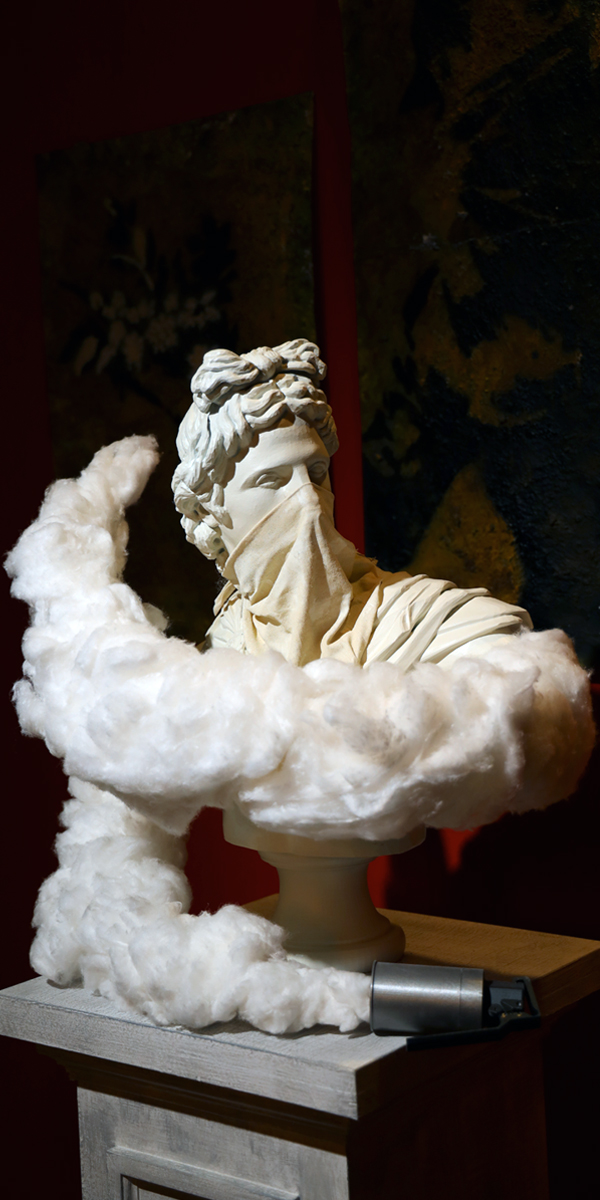
This elite control in the art world becomes evident when we step into galleries. Visiting an art gallery feels no different from a tourist experience. The works hanging on the walls are a reflection of a billionaire’s treasure. A painting’s price often depends more on the buyer’s status than its artistic depth. This turns art into a status symbol rather than a people’s movement, making its contradictory nature both fascinating and open to critique.
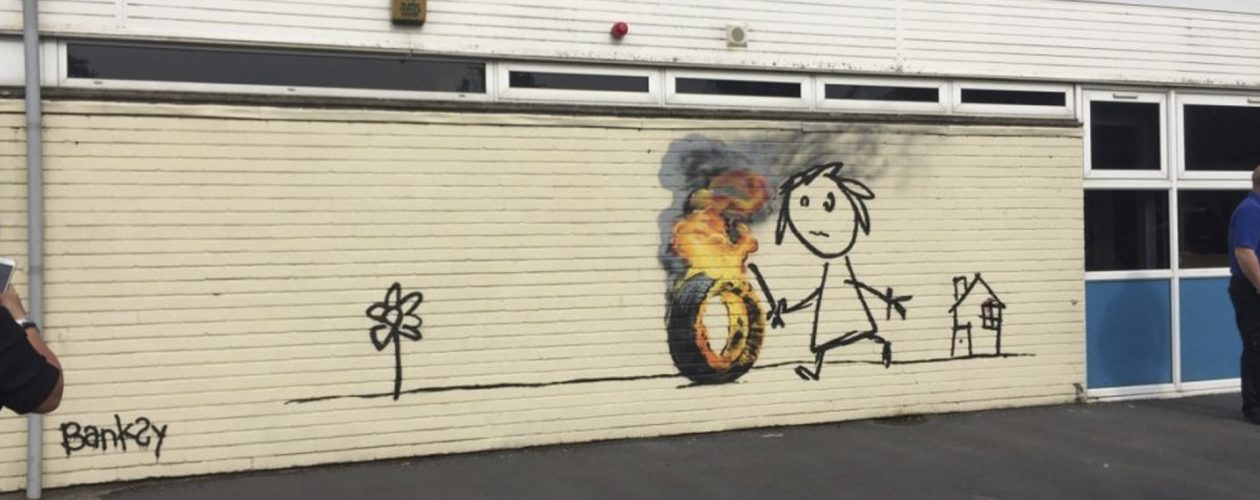
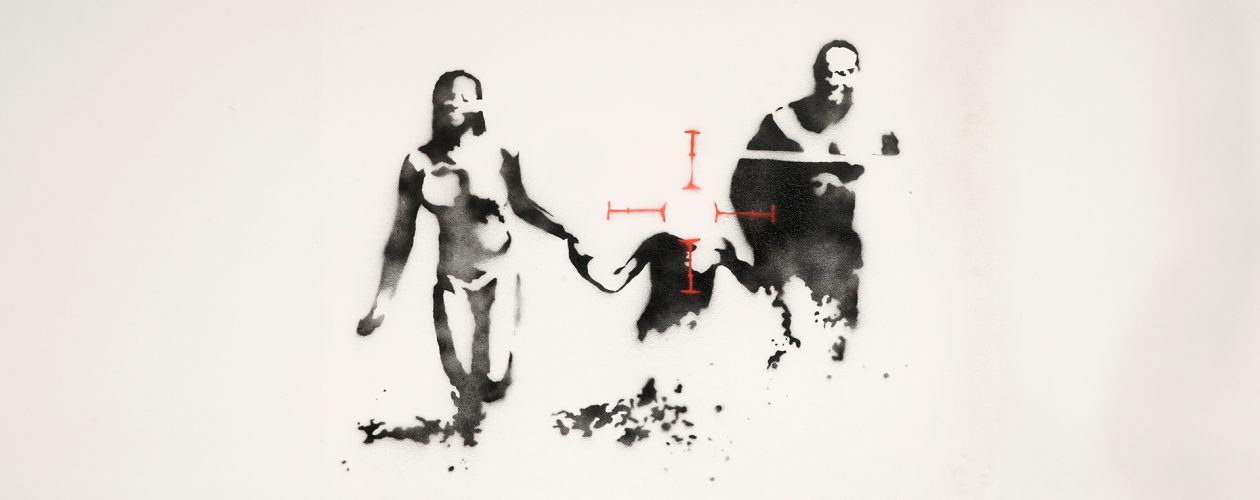
On the other hand, there are moments when art reaches the public independently of this elite control. Street art, especially through figures like Banksy, offers a space that breaks this contradiction. Banksy’s works move beyond gallery walls to city streets, opening art back up to the public. Yet even he isn’t fully immune to becoming a commodity in the hands of collectors; when a piece moves from a street wall to an auction, it shows that art cannot entirely escape elite control.
Art’s societal impact persists despite this elite structure. A work hanging on a gallery wall can still provoke thought in its viewers; a piece of graffiti on the street can inspire a community to act. Art’s power lies as much in how the audience perceives it as in the intentions of its creators.
The story of a piece hanging in a gallery is written not by those who selected it, but in the imagination of those who view it. While the power of art may be in the hands of those who shape it, its meaning is held by the audience. This balance keeps alive the paradox that makes art both mysterious and accessible.
Art can achieve success independently of its audience, but the question of who determines that success remains unclear.
Movements like street art continue the effort to return art to the hands of the public. Banksy’s anonymity and his publicly accessible works are a symbol of this effort.